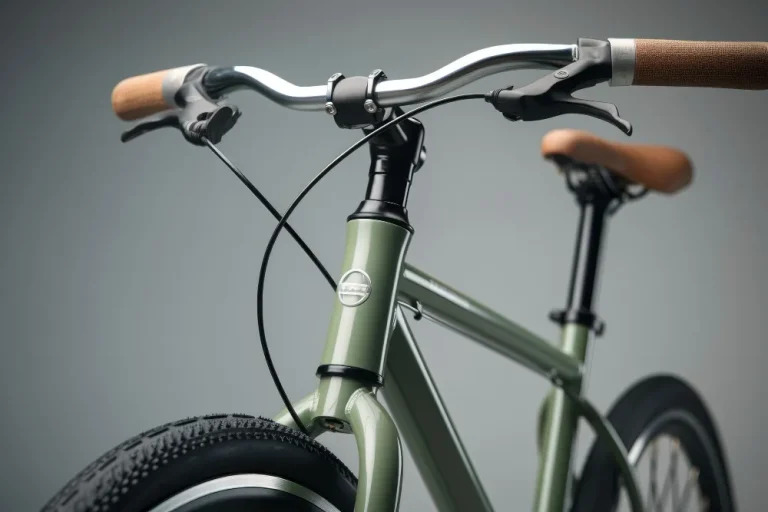

Urban Smart E-Bikes Are Redefining Commuting
Beyond electric motors—the next generation of bicycles integrates AI, IoT connectivity, and advanced safety features to reshape city transit. The humble bicycle is undergoing a massive digital evolution. While the last decade was all about...
-
0 comments
-
270
-
Sponsored Content

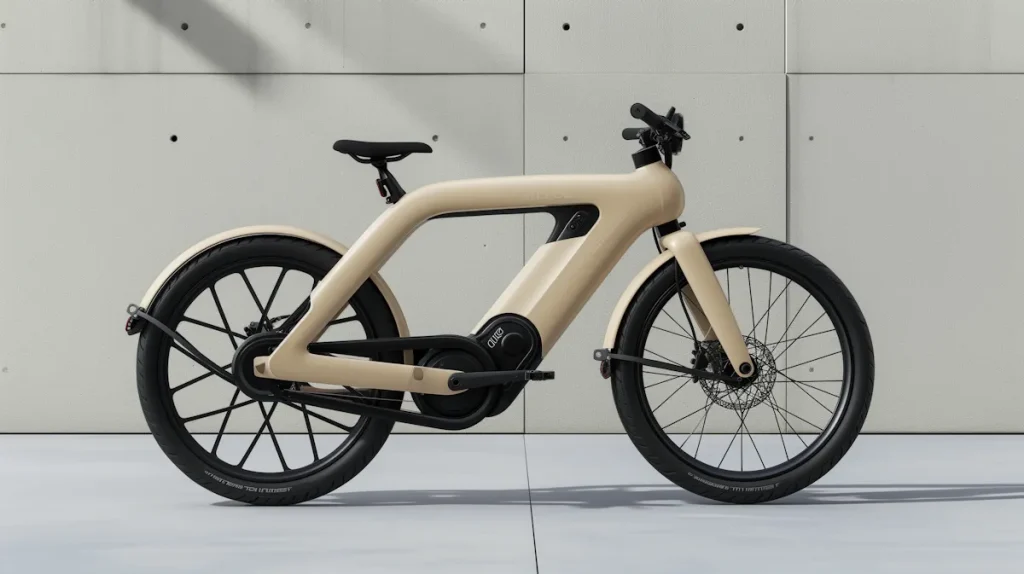
Beyond electric motors—the next generation of bicycles integrates AI, IoT connectivity, and advanced safety features to reshape city transit.
The humble bicycle is undergoing a massive digital evolution. While the last decade was all about adding batteries and electric motors to traditional frames, today’s cycling revolution is driven by software. The “Smart Bike” has officially arrived, and it feels less like a traditional vehicle and more like a smartphone on two wheels.
From AI-powered gear shifting to integrated heads-up displays, technology is turning urban commuting into a seamless, data-driven experience.
AI-Driven Performance and Adaptation
Modern smart e-bikes don’t just amplify your pedaling; they learn how you ride. Using a network of built-in torque, cadence, and inclinometer sensors, the onboard computer automatically adjusts motor assistance in real-time.
-
Predictive Shifting: Algorithms analyze your riding style and upcoming terrain via GPS to switch gears before you even realize you need to.
-
Biometric Syncing: Some high-end models can sync with your smartwatch, increasing motor support if they detect your heart rate is getting too high.
Next-Gen Security: No More Heavy Chains
Bike theft has always been the biggest headache for urban cyclists. Smart bikes solve this with automotive-grade security ecosystems built directly into the frame.
“With integrated GPS tracking and remote immobilization, stealing a smart bike is becoming practically pointless for thieves.”
If someone touches your locked bike, it triggers a loud alarm and sends an instant push notification to your phone. If the bike is somehow moved, the owner can track its precise location via cellular networks and even remotely shut down the entire electrical system, turning the bike into an unrideable, bricked piece of aluminum.
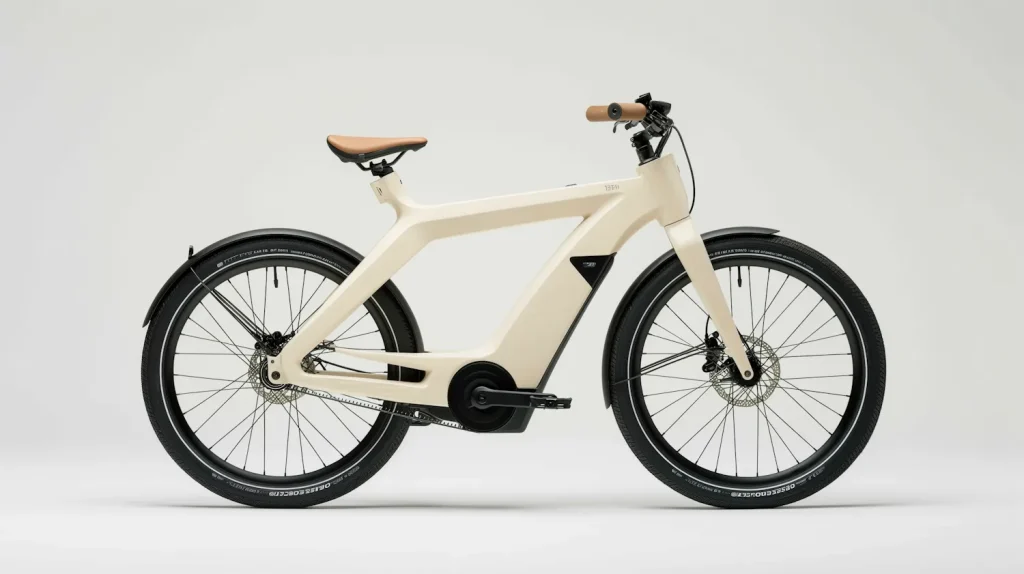
The humble bicycle is undergoing a massive digital evolution. While the last decade was all about adding batteries and electric motors to traditional frames, today’s cycling revolution is driven by software. The “Smart Bike” has officially arrived, and it feels less like a traditional vehicle and more like a smartphone on two wheels.
From AI-powered gear shifting to integrated heads-up displays, technology is turning urban commuting into a seamless, data-driven experience.
Smart Safety Features
Riding in heavy city traffic can be daunting. To address this, the latest smart bikes are adopting safety features directly from the car industry:
| Feature | How it Works | Benefit |
| Rear Radar Sensors | Detects vehicles approaching from behind up to 140 meters away. | Haptic vibration in the handlebars alerts the rider of danger. |
| Crash Detection | Internal gyroscopes detect a fall or impact. | Automatically sends SOS coordinates to emergency contacts. |
| Smart Lighting | Built-in LED matrix lights that adapt to ambient conditions. | Brake lights illuminate automatically when decelerating. |
The Verdict: Is It Worth the Premium?
While a smart e-bike comes with a premium price tag, it offers far more than just a ride from point A to point B. It represents a lifestyle shift—replacing cars for daily commutes, cutting down carbon footprints, and integrating seamlessly into our digital lives.
As cities continue to build better cycling infrastructure, the smart bike isn’t just a tech trend; it’s the future of urban mobility.
While a smart e-bike comes with a premium price tag, it offers far more than just a ride from point A to point B. It represents a lifestyle shift—replacing cars for daily commutes, cutting down carbon footprints, and integrating seamlessly into our digital lives.